Why a Multi-Chain Browser Wallet Changes How You Use DeFi
Whoa! I got into crypto because of the possibilities, not the headaches. At first I thought all wallets were basically the same, but then I started juggling networks and things got messy fast. Actually, wait—let me rephrase that: juggling accounts across Ethereum, BSC, and several layer 2s felt like carrying ten grocery lists at once. On one hand it was empowering; on the other, it was a UX and security nightmare that made me sigh out loud.
Seriously? The cadence of requests, approvals, and token approvals wore on me. My instinct said there had to be a better flow for multi-chain use that didn’t compromise security. Initially I assumed “one wallet for everything” was the utopian answer, though actually the devil’s always in the permission details. I’m biased toward browser extensions because they’re fast and integrate into workflows. Still, somethin’ about giving an app blanket approvals bugs me very very much.
Here’s the thing. Multi-chain wallets aren’t just about supporting many networks; they’re about reducing cognitive load and risk vectors simultaneously. On a practical level that means clear signing flows, network-aware warnings, and smart defaults that stop you from shooting yourself in the foot. I noticed that many wallet UIs still bury critical warnings in tiny tooltips or modal walls that users dismiss reflexively. So yeah, noise is a security problem—people click through things when they feel rushed or confused.
Hmm… Security feels personal in DeFi. When I first lost a tiny amount because of a bad approval, I panicked and learned quicker than any tutorial could teach me. Later I realized that a lot of these incidents are preventable with better default UX and permission granularity. On the engineering side you can build safeguards like approval whitelists, transaction previews, and multisig breaks into flows. But adoption matters too; users won’t enable protections if they create friction for everyday transfers.
Okay, so check this out—multi-chain compatibility means the wallet must handle different gas models, token standards, and RPC quirks gracefully. Medium-sized teams often build adapters for each chain, and those adapters are subtle attack surfaces if not audited. Initially I thought adapters were trivial, but then a malformed RPC response on a testnet taught me otherwise. On balance, designing for many chains forces engineers to think defensively continually, which is a good discipline.
Whoa! I still remember the time I tried to bridge a token and almost sent funds to a useless contract address. That moment was a small panic attack. My working-through-it approach was “pause, re-check, read the tx data”, though actually sometimes the data is unreadable by humans. Better wallets show token amounts and recipient addresses clearly and use ENS where applicable to reduce error-prone pasting. Small UI choices like copy/paste protections and recognizable recipient nicknames save users from dumb mistakes.
Something else bugs me about many extensions: permission creep. Extensions request broad access and then users accept because they want the convenience. On one hand convenience accelerates usage; on the other hand that same convenience can grant long-lived approvals to malicious contracts. Initially I shrugged and clicked accept too. After a few near-misses, I changed habits and started revoking unnecessary allowances immediately.
Wow! Wallets that combine allowance management with a transaction timeline are refreshing. They let you see “who asked for what” and for how long. Longer-term approvals should be rare, and wallets should make revocation one-click simple across chains. My instinct said the market would reward wallets that protect users without being annoying, and I’m starting to see that happen.
Here’s the thing about Ethereum wallets specifically. Ethereum has the largest DeFi ecosystem, so it attracts the most sophisticated phishing and social-engineering attacks. The signature dialogues on layered apps can be ambiguous, and users often accept approvals without fully understanding delegated calls. I’m not 100% sure we can eliminate all scams, but clearer human-readable intent statements and meta-transaction previews can reduce the risk. On top of that, hardware wallet integration for high-value actions adds another strong layer of protection.
Seriously? Extensions must be audited and their update channels must be secure. When an extension updates, it can introduce new behaviors; users rarely check update change logs. So the extension architecture should separate UI and core signing logic, and restrict what updates can do without explicit reauthorization. On that note, local signing and zero-knowledge proofs for transaction validation are emerging as interesting patterns, though they’re not silver bullets.
I’ll be honest—some security features feel over-engineered for average users. The tradeoff is real and it deserves nuance. On one hand, granular controls reduce attack surface; on the other, they add cognitive load and extra clicks. Initially I imagined asking every question of the user, but that quickly becomes a bad idea. The best design balances protective defaults with escape hatches for power users.
Hmm… I like wallet features that automate repetitive safety checks while letting power users opt into advanced tools. Batch approvals, network-based gas suggestions, and optimistic UX that surfaces risk levels are helpful. Actually, building those systems requires accurate telemetry and privacy-conscious heuristics that avoid leaking user behavior. On the practical side, community audits and bug bounty programs still matter a lot for trustworthiness.
Whoa! For anyone shopping for a multi-chain browser extension wallet, practical verification matters more than glossy marketing. Look for open-source code, audit reports, and a history of transparent incident responses. Also check whether the wallet supports native token detection and warns about suspicious assets or contracts. These aren’t glamorous features, but they stop the typical errors I see in community support threads.
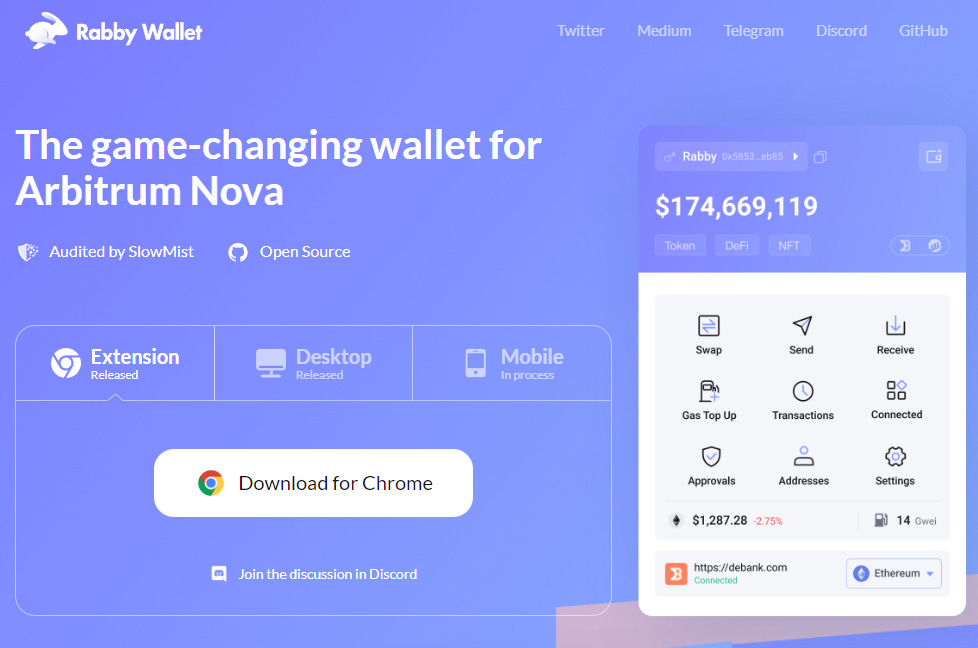
Okay, quick recommendation I use: if you want to try a modern multi-chain extension that prioritizes safety, user experience, and sensible defaults, check out rabby wallet which targets these exact problems. I’m biased, but I’ve found its permission handling and multi-chain UX to be thoughtful and pragmatic. The link above goes to the download page if you want to test it in a low-stakes environment first. Try a small transfer and experiment with allowance revocation to build confidence.
Here’s the thing—wallet choice is a living thing. As networks evolve, wallets must adapt and maintain backward compatibility without compromising safety. Developers should make upgrades opt-in and explain changes plainly so users can consent knowingly. On top of that, regulators and marketplaces are watching wallets now, and their pressure could shape UX constraints in surprising ways.
Hmm… community trust develops slowly, and it’s hard to fake genuine security culture. Teams that engage openly with users, publish response plans, and share post-mortems earn deeper trust over time. Initially I tended to follow hype, though experience taught me to look for consistent behavior over flashy announcements. That kind of long-term vetting matters more than a single audit badge.
Wow! The future I imagine has wallet agents that learn a user’s pattern and flag deviations, while keeping keys local and encrypted. That balance between intelligence and privacy is the hard part. Engineers will need to design models that run client-side or use privacy-preserving techniques, rather than shipping all telemetry to a central server. If that works, everyday users get a safer experience without sacrificing sovereignty.
Something felt off about the current narrative that “more chains = more risk” as an absolute. On the contrary, multi-chain strategies can reduce systemic risk by diversifying execution environments and settlement assumptions. Though actually, diversification only helps if users and wallets understand the different failure modes across chains. Education and better in-app explanations help here—bite-sized, contextual tips beat long blogs for retention.
Really? I still get questions from friends who describe transactions with metaphors like “I sent coins but they evaporated.” Those metaphors matter because they reflect user mental models. Wallets that align UX with those models help people form correct mental maps of their on-chain state. It takes time, but product design grounded in real user language is a multiplier for safety.
Whoa! To wrap up my thoughts—well, not a wrap-up, more like a pivot—multi-chain browser wallets are maturing in ways that matter to both novices and power users. They solve real pain points: permission sprawl, confusing approvals, and network-specific quirks, while keeping a path to deeper controls when needed. I still have concerns and open questions, and I’m curious how wallets will integrate hardware keys, smart contract wallets, and social recovery together at scale.
I’m not closing the book on anything here. There are tradeoffs, and I’m open to being challenged on specifics. But if you care about practical safety in DeFi and you use browser extensions, try small experiments, read audit notes, and consider wallets that make revocation and clarity first-class features. Someday soon we might stop needing to explain basic safety steps to new users, and that will be a good sign.
Where to start with safer multi-chain use
Start tiny. Transfer a small test amount and verify the recipient, network, and gas before pushing more. Take time to learn how to revoke allowances and read the transaction intent carefully, and try hardware confirmation for high-value moves. For a hands-on wallet that embraces these behaviors, give rabby wallet a spin and test features in a sandbox account first. I’m biased, but practical testing builds safer habits faster than theoretical reading.
FAQ
How does a multi-chain wallet improve my DeFi experience?
It reduces friction of switching networks while centralizing permission management, so you spend less time configuring connections and more time evaluating transactions. Good wallets abstract duplicate tasks and surface critical security choices at the right time.
Should I keep using a browser extension for large amounts?
For large balances, pair an extension with a hardware wallet or move funds to a multisig contract—extensions are convenient, but hardware confirmations add an extra safety layer. Also consider time-delayed withdrawals for very large pools of assets.
What features actually reduce risk?
Clear transaction previews, allowance management, network-aware warnings, audit transparency, and simple revocation workflows materially reduce common user mistakes. Combine those with an informed habit of testing small transfers first.